
Collective Behavior & Mass Migrations
Chapter Nine of the Collective Behavior course examines Mass Migrations. To better comprehend the concepts, I want to apply them to a predicted future mass migration caused by climate change and coastal flooding, rather than a past mass migration. This does not take into account the mass migration that would occur as a result of permanent droughts and agricultural land becoming dry and infertile. Scientific American estimates that tens of millions of people will be displaced by sea level rise caused by climate change. 23% of the world's population lives within 100 kilometers of the coast. When sea levels rise, many cities around the world will be submerged. While there is a lot of variation in these predictions, it is estimated that up to 1,400 cities around the world will be completely underwater in the next 100 years. Some of the most well-known examples are Venice, Amsterdam, Hamburg, Saint Petersburg, Los Angeles, San Francisco, New Orleans, South London, Shanghai, Edinburgh, New York City, and Taipei. It is estimated that the number of "climate refugees" will reach 200 million, including coastal residents and those fleeing uninhabitable drought-stricken areas.
Human Migrations
‘Human migrations typically occur because of disaster, war, famine, poverty, ethnic strife, and racial hatred.’ One of the largest human migrations was the Irish Migration which was estimated 2 million people. That will squabble in size to displacement migration from climate change. Similar to the cause of the English Landlord system, the issue of private property will have to be looked at with a fresh eye as to peace and justice. The more concrete issues will be scarcities of water and food to feed, in many places, numbers of people surpassing the carrying capacity of areas. Many people will die of starvation and disease. This will also drive domestic strife and turmoil when groups of inhabitants of an area feel the need to protect their turf and resources from refugees.
Dire Displacement
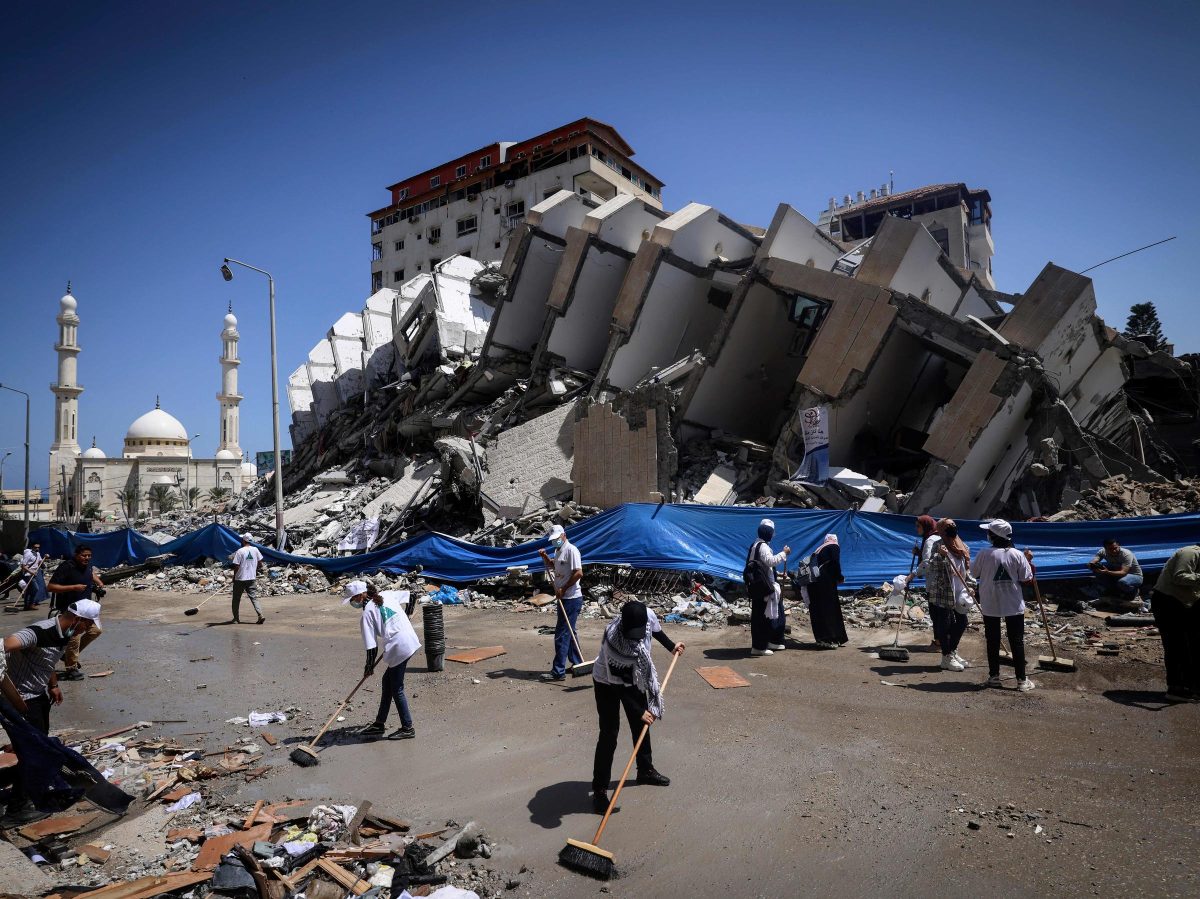
These migrations will take place by people facing dire economic, political, social, and ecological conditions. The migrants will dream of finding better conditions in a new homeland, and will be encountered as unwelcome by many current inhabitants, causing political unease, riots, and possibly violence.
http://www.scientificamerican.com/article/casualties-of-climate-change/
http://assets.climatecentral.org/pdfs/Strauss-PNAS-2013.pdf
http://www.usatoday.com/story/news/nation/2013/07/29/sea-level-rise-cities-towns/2593727/





Comments (0)